Interview: Alessia Fendi talks art, Rhinoceros Roma and fashion legacy
By Shivani Dubey | 27 August 2026 | Culture, Travel
Rhinoceros Roma director Alessia Fendi chats bridging the gap between art and hospitality, the matriarchal influence of the Fendi fashion empire and art that moves her
 Two generations on from the historical fashion start-up of the Fendi brand, Alessia Fendi has continued the family’s artistic legacy as director of the Rhinoceros Gallery and Rhinoceros Roma in the heart of Rome. Owned by Alessia’s mother Alda Fendi, this family-run establishment is more than just a hotel or an art gallery, it is a place that champions hospitality and fosters artistic dialogue, innovation and collaboration.
Alessia was born into one of the most storied fashion empires in the world. But she chose to redirect that inheritance into curating and championing the arts. In her role, she not only curates exhibitions that spotlight emerging and established artists, but has also driven the gallery’s vision as a multidisciplinary hub. Upon establishment, Alda Fendi ensured the gallery would be free and accessible to all, as she believes all art should be. And this legacy has continued even today.
Here, we speak with Alessia Fendi about bridging the gap between art and hospitality, curating a space where art isn’t just displayed but lived, the matriarchal influence of her family’s fashion empire and the art that truly moves her.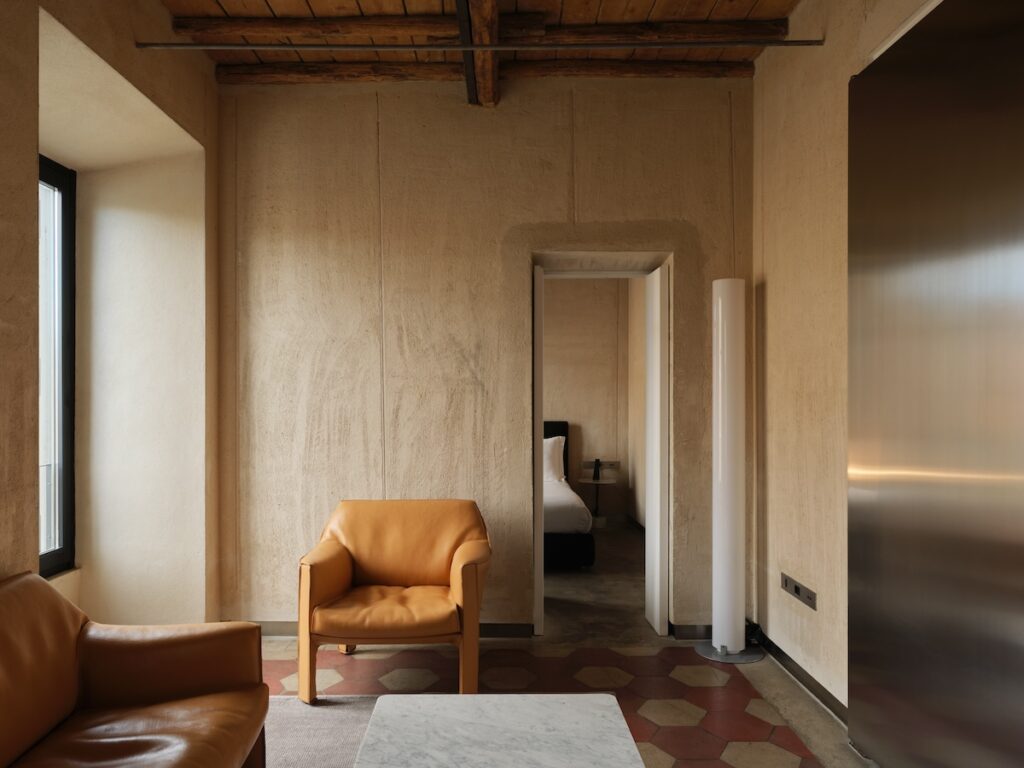 You come from a family that has built a massive fashion legacy, yet your work centres on art and multidisciplinary culture. What drew you to art?
Growing up within a family that was devoted to beauty, aesthetics and attention to detail, I was naturally interested in the art sphere. My mother Alda, and her sisters in 2001 decided to sell the company. Then she was able to realise her dream: something that had art as its central point. It was at that stage that she set up the Fondazione Alda Fendi Esperimenti with my sister Giovanna and me, we spent years immersed in visual and performing arts. Those years shaped my belief in its ability to inspire, challenge and bring different worlds together.
Rhinoceros Roma blends the gap between art and hospitality. What was the inspiration behind this merger?
Rhinoceros is a neighbourhood conceived by Alda Fendi and Jean Nouvel, dedicated to art and to artists and inspired by Les Passages de Paris by Walter Benjamin. I wanted to create a space where one can be part of an integrated experience: staying in the apartments, visiting the artistic spaces and enjoying the gallery restaurant while admiring the domes of Rome and the Palatine Hill.
You have always been a champion for avant garde artists, especially at the Rhinoceros Gallery. What is it about their work that draws you in?
At Rhinoceros Roma, we provide support, exposure, and mentorship to emerging artists, helping to create opportunities for experimentation and visibility. I am fascinated by the possibility of creating exchanges and new perspectives for artists.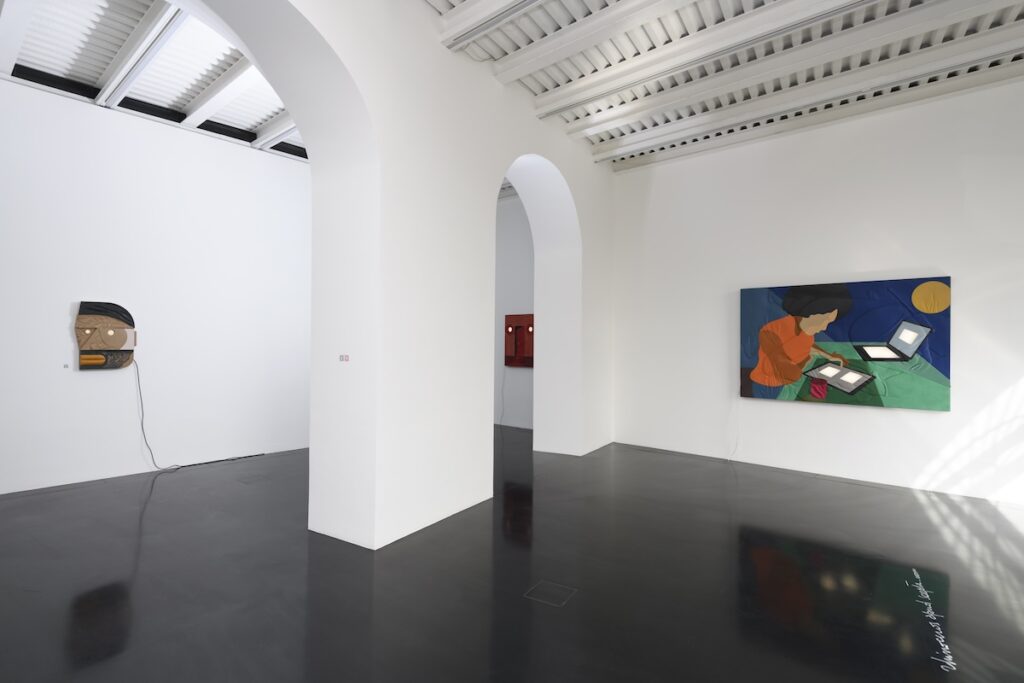 Rhinoceros sits in the heart of Rome, which in itself is steeped with so much history and cultural heritage. Can you speak to the juxtaposition of spotlighting avant garde voices in a city with such storied history?
When we introduce a new exhibition at rhinoceros, we are hoping to bring an external and international point of view into the historic heart of Rome. We also hope that the artist has the opportunity to be transformed within their experience in Rome. The city has such a strong cultural identity, so it is fascinating to see how artists from different backgrounds interpret and respond to it.
The Aldi Fendi Foundation operates completely autonomously from the fashion empire. Why was this important to you?
I believe art has many ways to reveal itself and especially today we can say that the two worlds, art and fashion, are not that far away from each other. Together with my mother Alda I had the opportunity of working close to a genius like Karl Lagerfeld back then, and today I have the privilege of living close to art and to artists. It is an enlightenment for the soul and a restless search that we carry out at rhinoceros through collaborations with international galleries, exhibited in Italy for the first time. Rhinoceros gallery is a space dedicated to contemporary art and design nourishing Rome with the beauty found around the world. 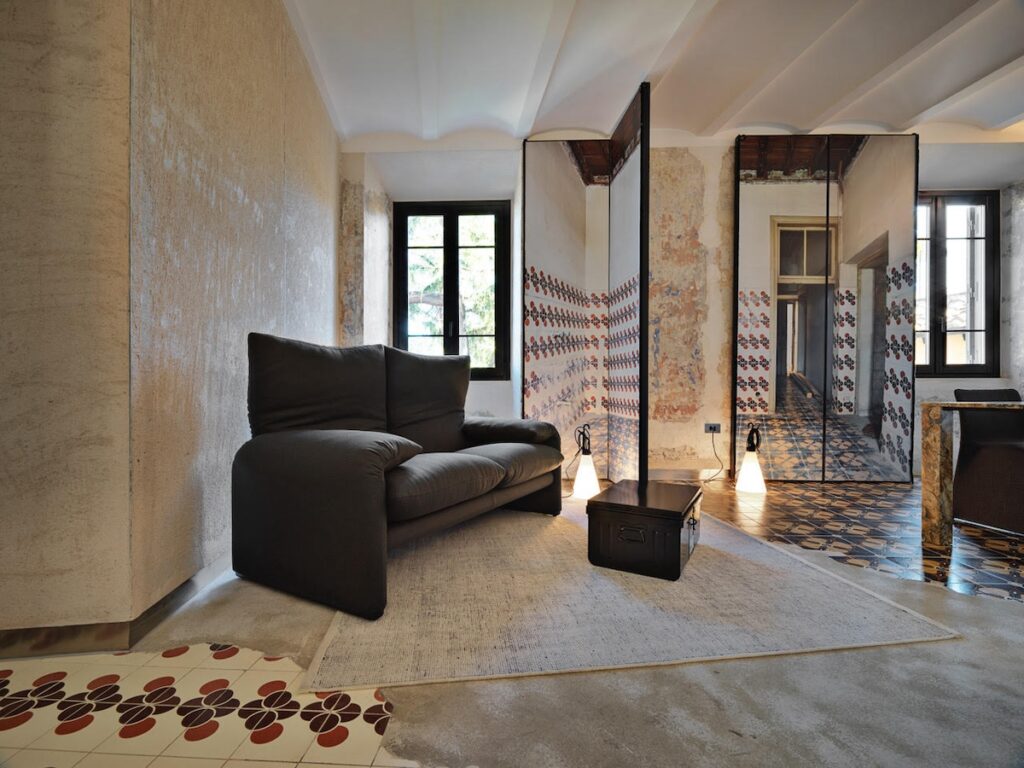 Today, the luxury traveller prioritises personalisation and deep connection to the places they visit. How do you ensure that culture isn’t merely an accessory but embedded into every facet of Rhinoceros Roma?
Anyone who enters Rhinoceros Roma encounters a variety of different cultural stimuli, from the art works on the commercial spaces of the gallery on ground floor, to the music, voices and sounds that accompany visits from across the building. The fundamental idea for those staying at Rhinoceros Roma is that they undertake a journey within themselves.
Fendi has always been a female-led, matriarchal fashion house. How has your family’s fashion legacy influenced your view of art and curation?
Women provide different perspectives that provide collaboration, intuition and community alongside ambition. For those reasons, throughout the centuries and throughout history, women have always been involved in art, in collecting, in patronage. I am thinking about a patron of the arts as Peggy Guggenheim. Women had a significant role in supporting art and architecture, and at the same time shaping and directing the cultural trends of their time.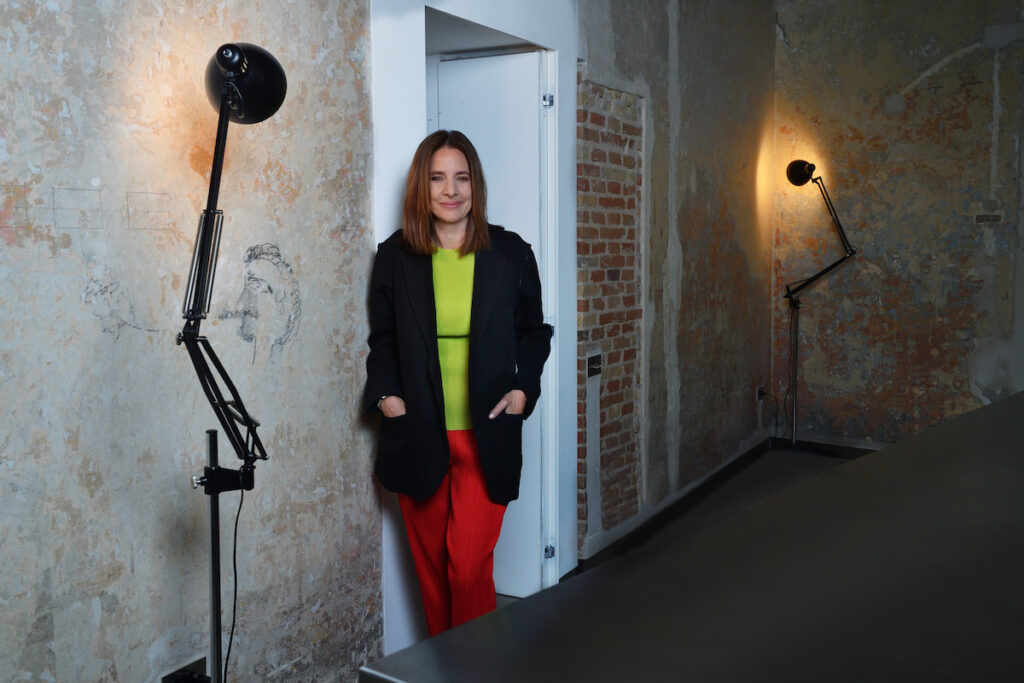 How do you think women influence artistic taste differently than traditional curators?
The female attitude manages to transcend gender-based logic and offer a non-hierarchical cultural interpretation
What was the very first piece of art you remember seeing that really resonated with you? And why?
Growing up in Rome, I was always surrounded by art and beauty; in particular, I think of Caravaggio’s light and his works distributed in various parts of the city
What do you hope guests experience when they visit Rhinoceros Roma?
I hope they feel a sense of discovery. Rhinoceros Roma is a place where art, architecture, hospitality and the history of Rome come together and I would like every guest to experience that in their own way. Whether they come for an exhibition, to stay or simply spend time there, I hope they leave having encountered something unexpected and feeling inspired.