Sunspel executive chairman Nicholas Brooke on the art of dressing well
By Susan Springate | 9 June 2026 | Style
Sunspel executive chairman Nicholas Brooke shares the story of how boxers came to England, and sheds light on the enduring appeal of true British luxury
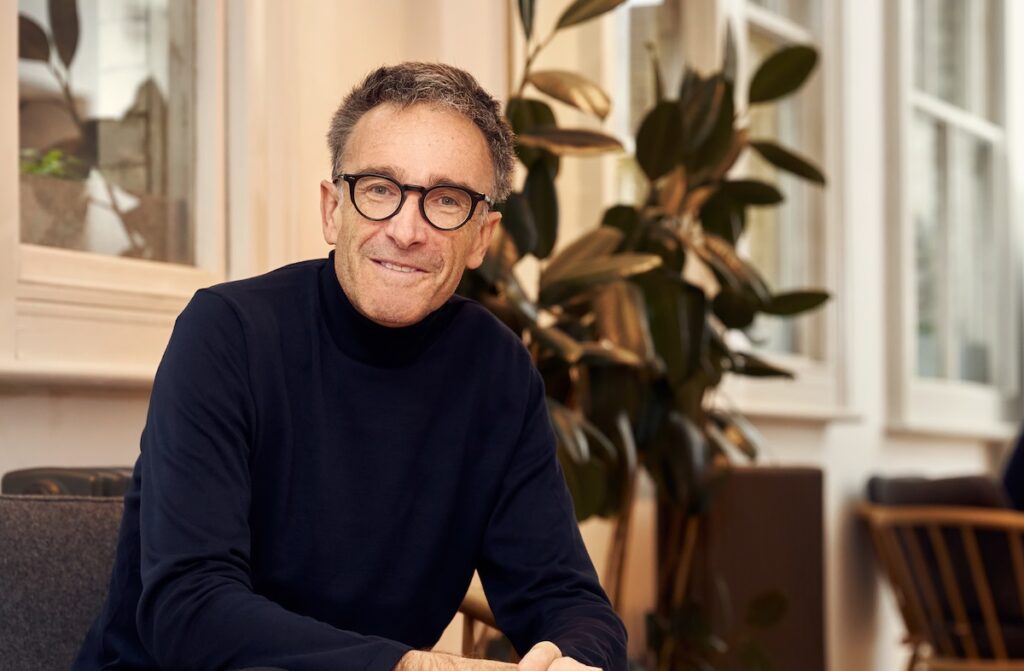 Synonymous with James Bond since Daniel Craig wore a range of bespoke Riviera Polo shirts in Casino Royale in 2006, Sunspel is known for its quality and understated style. Brad Pitt made a similar impact when he wore the brand’s Loopback Sweatshirt in last year’s F1 while Cillian Murphy’s appreciation for their Classic T-shirt “has reinforced it as an icon”, says executive chairman Nicholas Brooke.
The former barrister turned the then-ailing underwear company into a leading British luxury casualwear brand when he took the helm in 2005, redefining the product and fine-tuning production at its craft based Long Eaton factory in Derbyshire. “I was drawn to the challenge of reviving [Sunspel], preserving its heritage and bringing it into the modern world,” says Nicholas.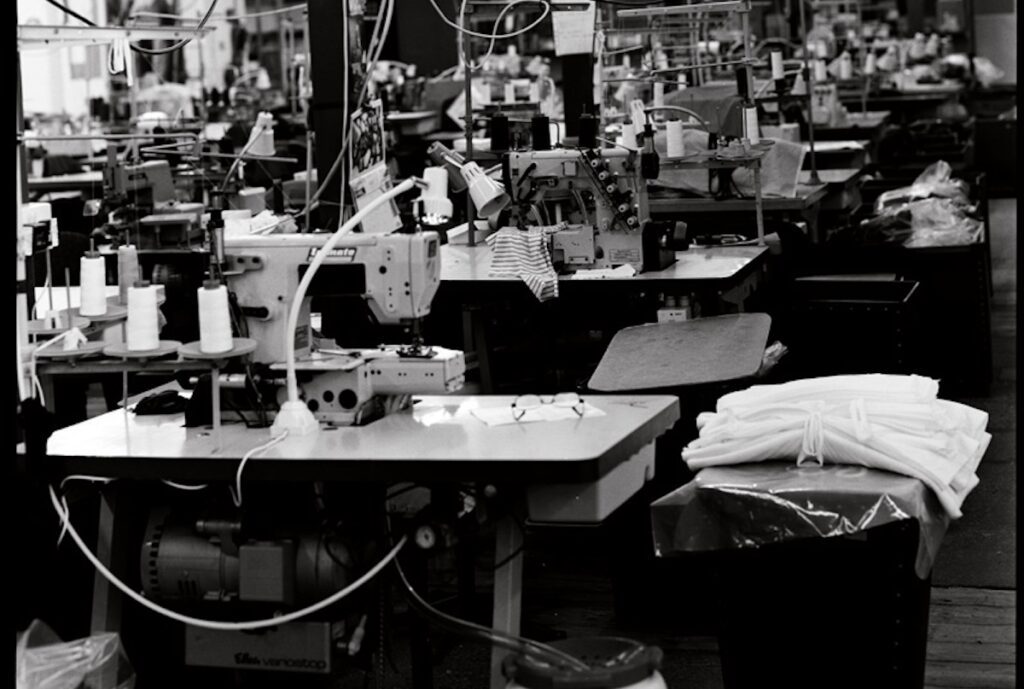 Founded as an undergarments and textile company in 1860, Sunspel survived both World Wars, and is credited with introducing the boxer short to Britain in 1947. More recently, Nicholas steered the company through the 2008 financial crash and the 2020 Covid-19 pandemic and, with vision, innovation and expertise, has secured its future, as well as spearheading international success in Japan, the US, and beyond.
Closer to home, there have been three new store openings in London’s Covent Garden, as well as Edinburgh and Paris, in the past year alone – not to mention a limited-edition 40-year archive reissue of its iconic underwear, to cap Nicholas’s 20th year in style at every layer. So as Royal Ascot looms closer, here we speak with Nicholas to learn more about the art of dressing well.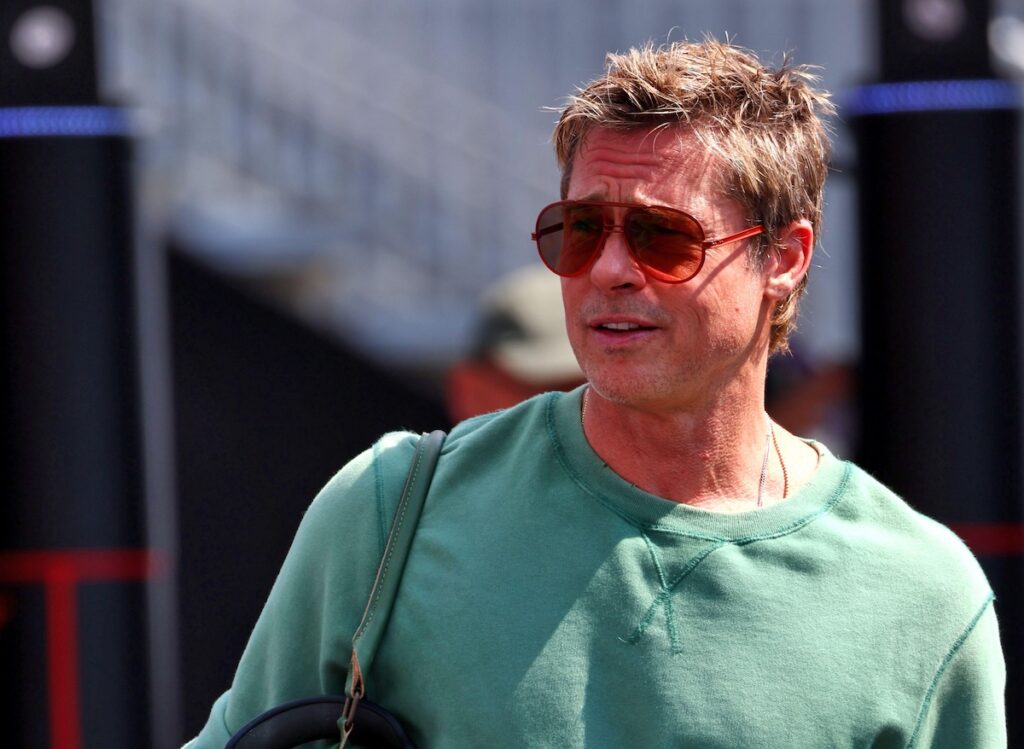 Is it true Sunspel introduced the boxer short to the UK in 1947?
Yes. Our founder’s great-grandson, John Hill, discovered the boxer short on a trip to the US and brought it back to Britain. He refined the design with a back panel, smooth seams and the finest cotton, turning an American basic into a British luxury essential. At the time, most British men wore Y-front briefs. The Sunspel boxer offered comfort, freedom and a more stylish alternative to the unglamorous underwear of the 1950s. Nick Kamen famously wore our boxer shorts in the 1985 Levi’s Laundrette advert, which made the style an icon almost overnight.
How did associations with the likes of Brad Pitt and Daniel Craig come about?
These happened organically. Stylists and costume designers are drawn to our pieces for their quality, understated style and authenticity. Lindy Hemming, the costume designer for Casino Royale, chose the Riviera Polo for Daniel Craig because she had long used Sunspel in film and theatre and felt it suited the modernisation of Bond. Julian Day, who designed the costumes for F1, approached us and selected the Loopback Sweatshirt worn by Brad Pitt. Many other actors, musicians and public figures wear Sunspel, but we’ve never sought celebrity endorsement. People find the brand because they value genuine quality.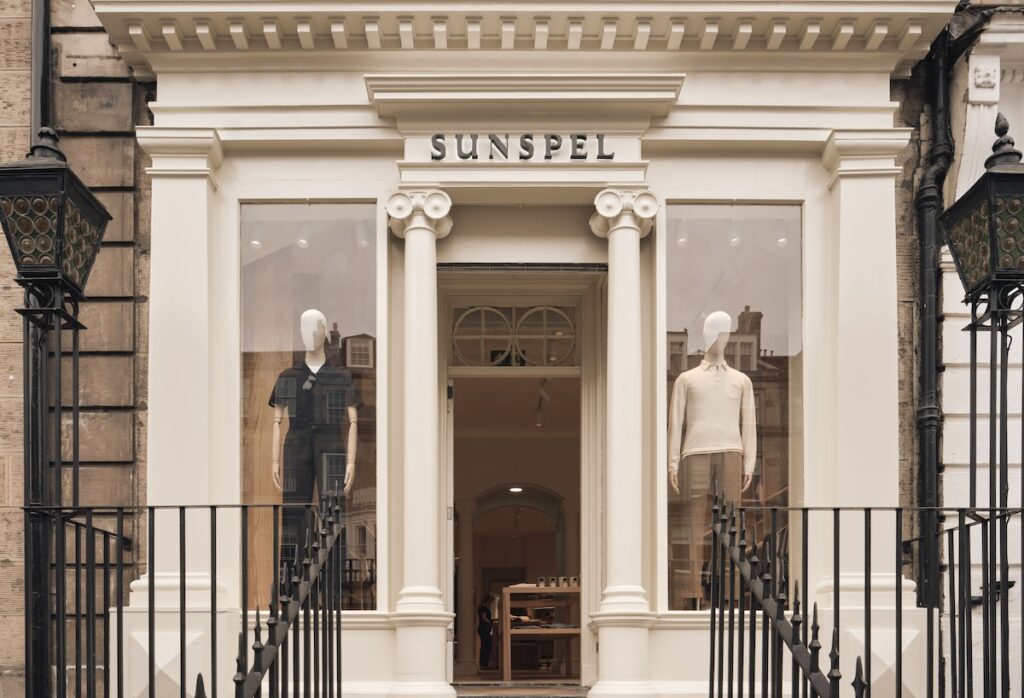 What impact have these film associations had on Sunspel?
The Riviera Polo we re-designed for Casino Royale went from being a niche piece to one of our best-known and best-selling products. Cillian Murphy’s appreciation for our Classic T-shirt has reinforced it as an icon, and sales of the Loopback Sweatshirt rose after Brad Pitt wore it in F1. These moments bring global awareness but, most importantly, they reflect genuine appreciation for the brand rather than marketing.
Where does Sunspel look for inspiration?
We start with our archive. We reinterpret timeless British style for modern life: relaxed, intelligent, quietly luxurious. Inspiration often comes from art, architecture and the lives of our customers rather than trends. The 1950s and ’60s and the style and characters of the French nouvelle vague and British social-realist films of the time, such as Alfie (1966) and The Ipcress File (1965). We also continue to explore new fabric developments.
How did you come to take over the reins of the company?
I’d known and admired Sunspel since I was young. I came to take over the business through a family connection. My wife’s aunt’s companion was the owner and great-grandson of the founder. Although it was still making beautifully crafted products, the company had fallen into difficulty. When I took over, everything about the company felt old-fashioned, from the handwritten accounts ledgers to the outdated factory electrics. But the brand still had strong foundations and was stocked by exceptional retailers such as Harrods, Selfridges and Isetan in Japan. It was losing money, but the potential was clear. The key was refining the product, focusing on quality and defining a clear brand identity. We rebuilt around core garments, fabric innovation and a modern, international outlook.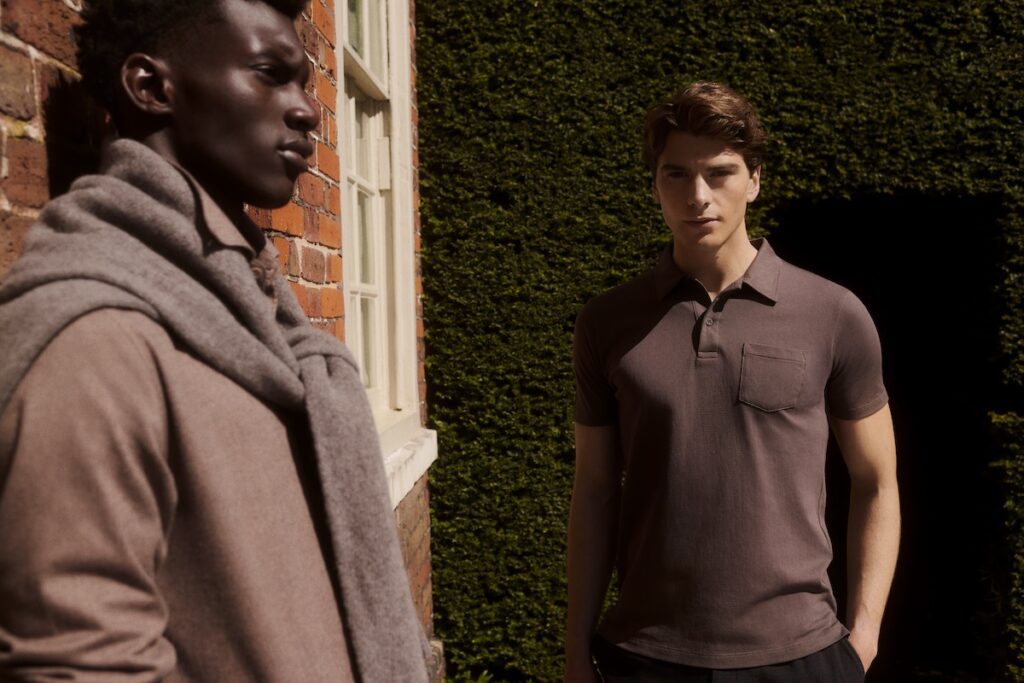 You appointed Jonathan Anderson (who now heads Dior as creative director) in 2009. What did he bring?
I was fortunate to be approached early on by a young Jonathan Anderson, who helped shape a forward-looking creative identity rooted in the brand’s character. He brought a fresh sensibility while respecting our heritage. His later success is no surprise. He’s one of the most talented designers of his generation.
What have been your greatest challenges in recent times?
The financial crisis in 2008 tested us early on, just after we’d taken on the challenge of reviving the brand. Sales contracted and we only just survived. The pandemic was another major test, affecting every part of the business, and at the same time I was seriously ill with cancer. It was an incredibly difficult period, but we emerged stronger than before. More recently, inflation and cost pressures have demanded careful management. The key throughout has been discipline, a focus on quality and long-term investment.
How would you define luxury?
For me, luxury is about quality, integrity and longevity. It comes from authenticity, craftsmanship and a connection to the past that brings real expertise. It’s defined by how something feels rather than how loudly it announces itself. True luxury is quiet, confident and enduring.
Brad Pitt Image: James Moy/Alamy Live News
Read the full interview in our latest issue with Michael Fassbender, and find more interviews on Tempus