International Rosé Day: Tracking the rise of summer’s favourite wine
By Susan Springate | 26 June 2026 | Food & Drink
As the pink wine renaissance shows no signs of slowing, Tempus tracks the rise and rise of summer’s most popular wine
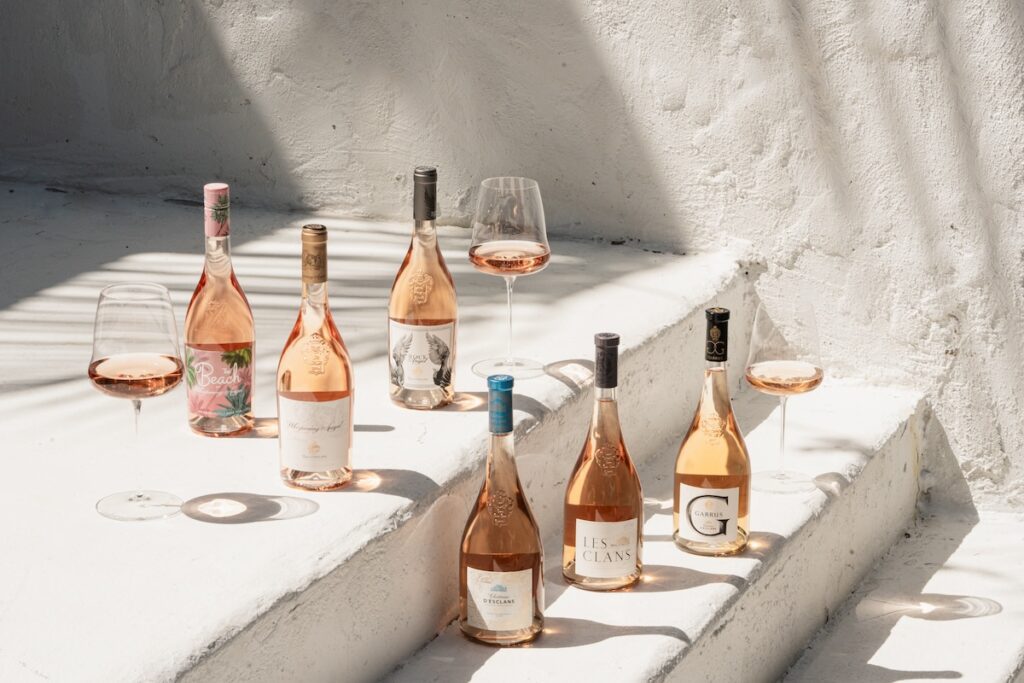 With summer upon us, and the promise of endless lazy days in the sunshine ahead, it’s time to crack open a bottle of our favourite rosé for International Rosé Day (26 June). These days, shelves are filled with a wide range of rosé wines throughout the year – UK sales have increased by 64% in the past year alone. Many of the most popular varieties are produced in Provence in the South of France, in some of the most picturesque wineries in the world. Among the best-known is Whispering Angel, the flagship wine of Château d’Esclans, a vineyard north of Saint-Tropez. Its pale pink tint and delicate flavour has made it the best-selling rosé in the US, while its upmarket sibling, Garrus, is a favourite with celebrities including the Beckhams.
Its trailblazing founder, Sacha Lichine, had his finger on the pulse when he launched the label in 2006, at a time when rosé was still considered unrefined in wine circles. “I knew if I could give people a taste of a rosé of quality, it could really take off,” he says.
Sacha named his bestseller after a couple of carved cupids whispering to each other above the altar in the chapel of his magical 667-acre estate, and the rest, as they say, is history. The brand has released a limited-edition 20th vintage of Whispering Angel to mark the anniversary. “I never thought it would be as successful as it has been,” says Sacha.
Of course, the South of France has been producing rosé wines for thousands of years. The ancient Greeks introduced viticulture to Provence in around 600 BC and, today, rosé accounts for over 88% of all AOP wines grown in the region (Appellation d’Origine Protégée, means ‘protected area of origin’ and guarantees authenticity and quality). AN ANCIENT TRADITION
The revered Château Minuty, a five-minute drive from the coastline overlooking Saint-Tropez, has been refining its award-winning wines for three generations of the Matton-Farnet family. The 19th-century estate, built during the reign of Napoléon Ill, was acquired by Gabriel Farnet in 1936 and has become one of the most highly esteemed châteaux on the Côte d’Azur. With over 160 hectares of vineyards in the heart of Provence, Château Minuty is one of the few estates to be certified Cru Classé, deemed exceptional. Made from Grenache grapes, the “king of rosé”, and Tibouren, emblematic of the Saint-Tropez Peninsula, Minuty has long been seen as the ultimate Provence rosé, and has been emulated by many producers in the region and beyond.
“At Minuty, we don’t just produce rosé; we have contributed to shaping the category of rosé as it exists today,” explains Frank Flochlay, recently appointed managing director of the château. “We were among those who believed in it when it was not yet a given, when it wasn’t in vogue, and when it wasn’t easy. What sets us apart is that we have never stopped moving forward. We respect tradition while constantly reimagining its future.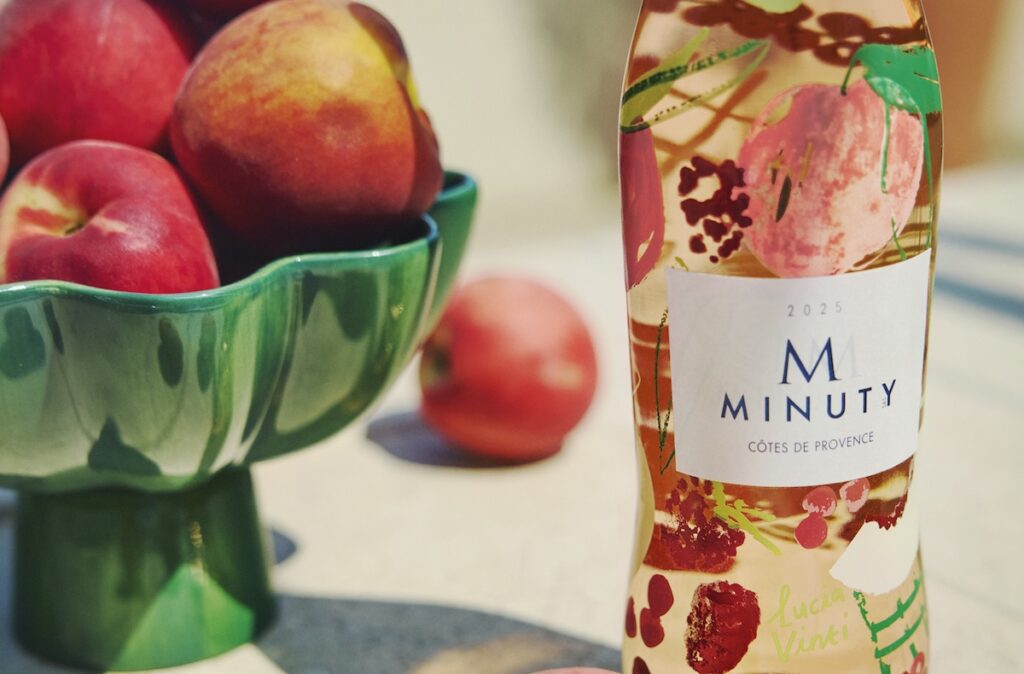 “Each bottle captures something essential: the energy of long summer days, the golden warmth of a setting sun, and the simple pleasure of being together – the unadorned beauty of the present moment.”
Other long-established labels include Domaines Ott and Château Galoupet, while a host of relative newcomers are making their presence felt. Among them are AIX, which earned its Dutch owner Eric Kurver the prestigious Medaille d’Or in Paris in 2009, the very year it launched.
It was a similar story for British couple Stephen and Jeany Cronk, who gave up their comfortable life in a leafy suburb of London to create Maison Mirabeau in Provence the same year.
“We took the leap: sold our house in London, moved our three young children to the small Provençal village of Cotignac, in the upper Var, and started again. The following year, we secured our first Waitrose listing, and that’s where the Mirabeau story began”, Jeany explains. Some 17 years on, they have just had their best year on record. “We will never aim to be the biggest or loudest, but we consistently set the bar high to make better wines each year and bring them to more people around the world,” says Jeany. CELEBRITY CUVÉES
Mirabeau’s celebrity neighbours include actors Brad Pitt and George Clooney and Star Wars filmmaker George Lucas, all of whom have purchased wine estates in the area. Brad made his first foray into the wine business in 2011, when he bought Château Miraval with then-partner Angelina Jolie. The property has been producing wine since the 13th century, when a monastery was built on the land and vineyards were planted.
But its wines became big business after Brad teamed up with the prestigious Perrin family, owners of Château Beaucastle in Châteauneuf-du-Pape, releasing his first rosé in 2011. Pitt and the Perrins later joined forces with another winemaking family, the Péters, to produce the rosé champagne brand Fleur de Miraval, which was served at the Oscars for three consecutive years from 2022.
“With its rapid success, Miraval has become one of the most recognisable rosés in the world; a category catalyst, and a true Grand Marque’ Provence Rosé,” says Andrew Bayley, managing director of Famille Perrin in the UK and Ireland.
Surprisingly, it’s not movie-star-backed Miraval but another Provence-style rosé, La Vieille Ferme, also popularly known as the chicken wine’ (due to the quirkily illustrated poultry on its label) that is, according to Andrew, “the number one single best selling wine in the UK of any colour”. Produced in a sunny region of the Southern Rhône, the affordably priced pale rosé (usually under £10) holds its own alongside many of its competitors. And, while it has been around since the 1970s, it has taken on a new lease of life in recent years, going viral on social media in summer 2024, and even nicknamed the “It-Girl” wine.
At the other end of the scale is Clos du Temple, which has been described as “the world’s most expensive rosé.
Priced upwards of £200, it was created by celebrated winemaker and former rugby player Gérard Bertrand, who owns 16 châteaux and wine-growing estates across the Languedoc-Roussillon in the South of France. He also incidentally produces Jon Bon Jovi and his son’s Hampton Water rosé brand.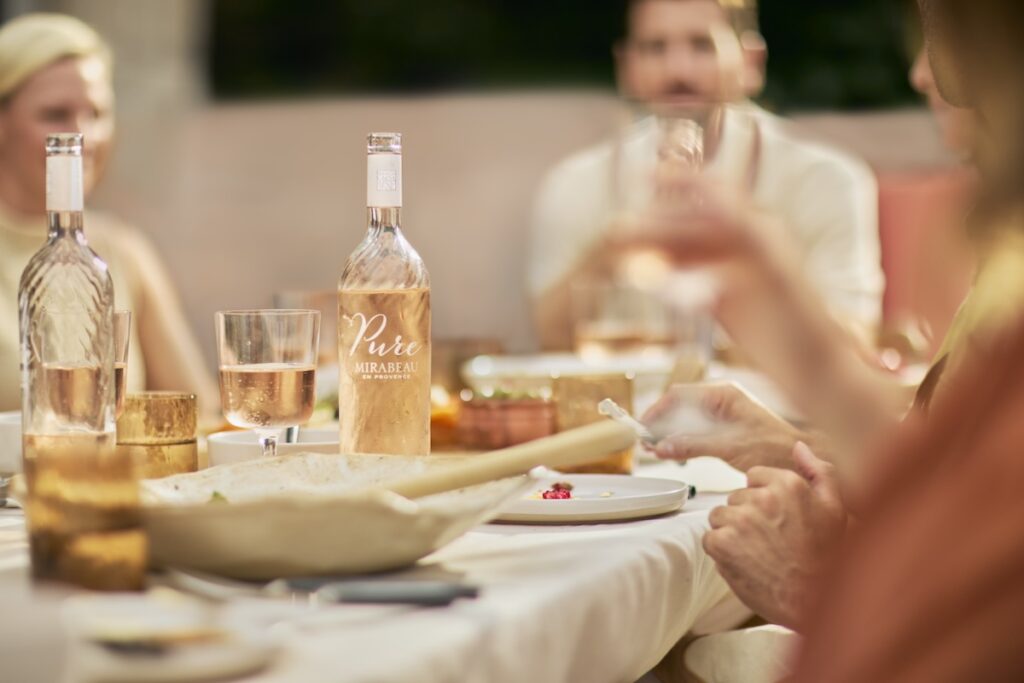 “Clos du Temple is the culmination of a personal ambition: to create a rosé that could stand among the world’s great wines”, explains Gérard. “Its uniqueness begins with its terroir in Cabrières, where schist and limestone soils meet on hillside terraces, a rare geological combination that brings both minerality and energy to the wine.
“The vineyard is farmed biodynamically, each parcel is vinified separately, and the wine is partly aged in French oak barrels to give it structure and ageing potential. Produced in very small quantities, Clos du Temple is designed to reveal the purity and depth of this exceptional place.
“The winery was designed as a modern temple dedicated to wine, perfectly integrated into the landscape and partly built underground to allow the juices to move by gravity, preserving their purity.
“Inside the cellar, we use pyramid-shaped vats. Beyond their symbolic reference to ancient temples, their shape has a real impact on the wine: the wider base increases the contact between the wine and the lees during fermentation. This brings texture, roundness and greater aromatic complexity, contributing to the depth and ageing potential of Clos du Temple.”
Gérard’s efforts have certainly borne fruit. In 2020, his second Cabrières vintage was voted best rosé in the world by Drinks Business Global Rosé Masters, the biggest international rosé competition, and recent vintages are consistently rated highly by the critics.
“Rosé has undergone a real renaissance over the past decade”, says Gérard. “For a long time, it was seen simply as a light, seasonal wine, but consumers have gradually discovered its versatility and gastronomic potential.
“Today, rosé represents elegance, freshness and conviviality, but it can also express great terroirs and remarkable complexity. When it is crafted with the same care as a great white or red wine, from exceptional vineyards with precise vinification, rosé can reach a very high level of refinement.”