Chef’s Table: Chef Chet Sharma on Indian fine dining and his comfort favourites
By Shivani Dubey | 26 November 2026 | Food & Drink
Tempus’s Chef’s Table series meets BiBi’s Chet Sharma to talk evolution of the Indian fine dining scene in London and his comfort favourite foods
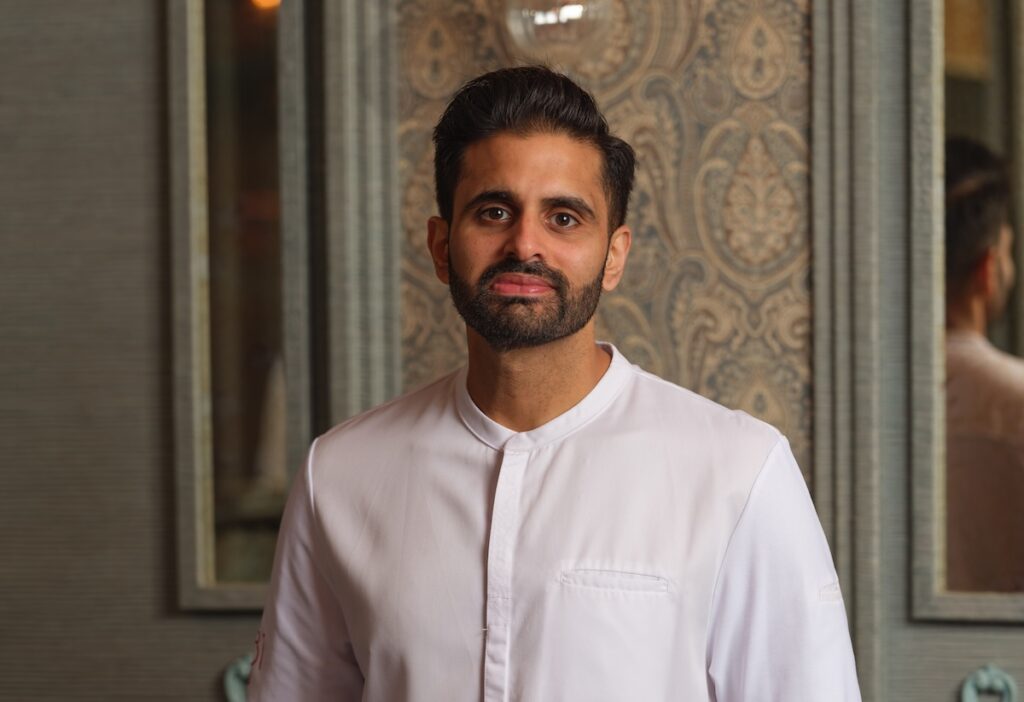 London’s Indian fine dining scene has changed a lot over the last few years, says chef Chet Sharma. “There’s much more confidence now to move beyond stereotypes and explore Indian food with greater depth and individuality,” he says. And he would know, given that Chet runs BiBi, one of the most innovative Indian fine dining restaurants in London.
However, being a chef wasn’t always on the cards for Chet. He initially studied physics at university. While pursuing higher education, he began working in the kitchens of Benares and Locanda Locatelli during evenings and weekends. Once he finished his PHD, he decided to pursue a culinary career full-time, and from there began his ascent in the fine dining scene.
And as the Indian food scene evolved in London, so did Chet’s culinary career. He opened BiBi in 2021, and was recently named the global culinary director of Gymkhana. So, for our November edition of Chef’s Table, we spoke to Chet Sharma about his passion for cooking, the evolution of the Indian culinary scene and his comfort favourite foods.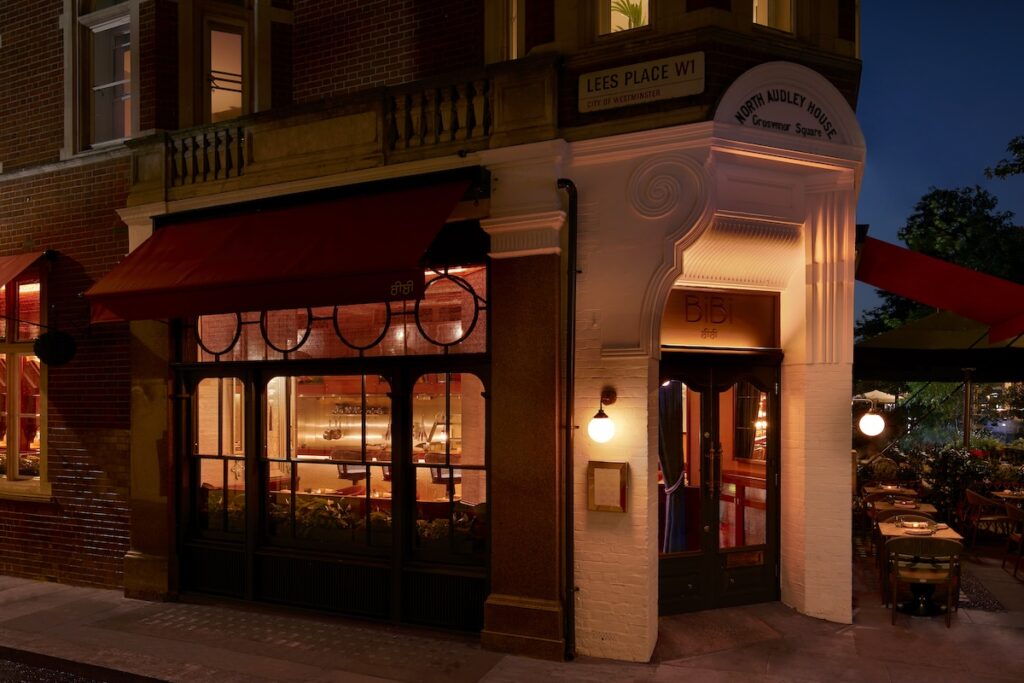 You head up the fine dining restaurant BiBi in Mayfair. What sets your menu apart?
BiBi is very personal. The food draws on family memories, Indian culinary heritage and the experiences I’ve had through travel and restaurants. Sharmaji’s Lahori Chicken, for example, was inspired by a dish my grandfather loved growing up. At the same time, we want to show the incredible breadth of Indian food; spices, grains, ferments and regional techniques. Sourcing is also incredibly important to us, from British buffalo milk and Scottish scallops to heritage rice and single-origin spices. Ultimately, I want the food to feel both new and deeply familiar.
How would you describe your style as a chef? What do you want your guests to experience when they come to your restaurants?
My cooking is rooted in the flavours I grew up with, but shaped by travel, restaurants and everything I’ve experienced since. I want guests to feel that they’ve had something personal, generous and familiar, even if they can’t immediately identify why. BiBi is also about hospitality. We want fine dining to feel warm and relaxed. More broadly, I hope people leave with a wider idea of what Indian food can be – not traditional or modern, but both. Where did your passion for cooking come from?
Food was always central to my family. One of my earliest memories is arriving at our family farm near Delhi at 2am, aged six, and my uncle had made malai kofta completely from scratch just to welcome us. I also spent much of my childhood watching my grandmothers cook. Those flavours and memories still shape how I cook today.
What inspired you to become a chef and pursue this career?
I originally thought I’d pursue an academic career, but I kept being drawn back to kitchens. During university I started doing stages and eventually completed sixteen over eight years. I loved the intensity, collaboration and constant learning. Becoming a chef wasn’t one dramatic decision. I just realised that cooking had quietly become the thing I cared about most.
BiBi is so much more than just a traditional Indian restaurant. How do you ensure you’re nurturing the experimental elements while also making sure you stay true to your roots?
For me, staying true to my roots means preserving the flavour memory. An Indian grandmother might not recognise the presentation of a dish, but I’d hope she’d recognise its soul when she tastes it. From there, we can work with great British produce and techniques I’ve picked up through travel, restaurants and collaborations. The roots give you the freedom to experiment.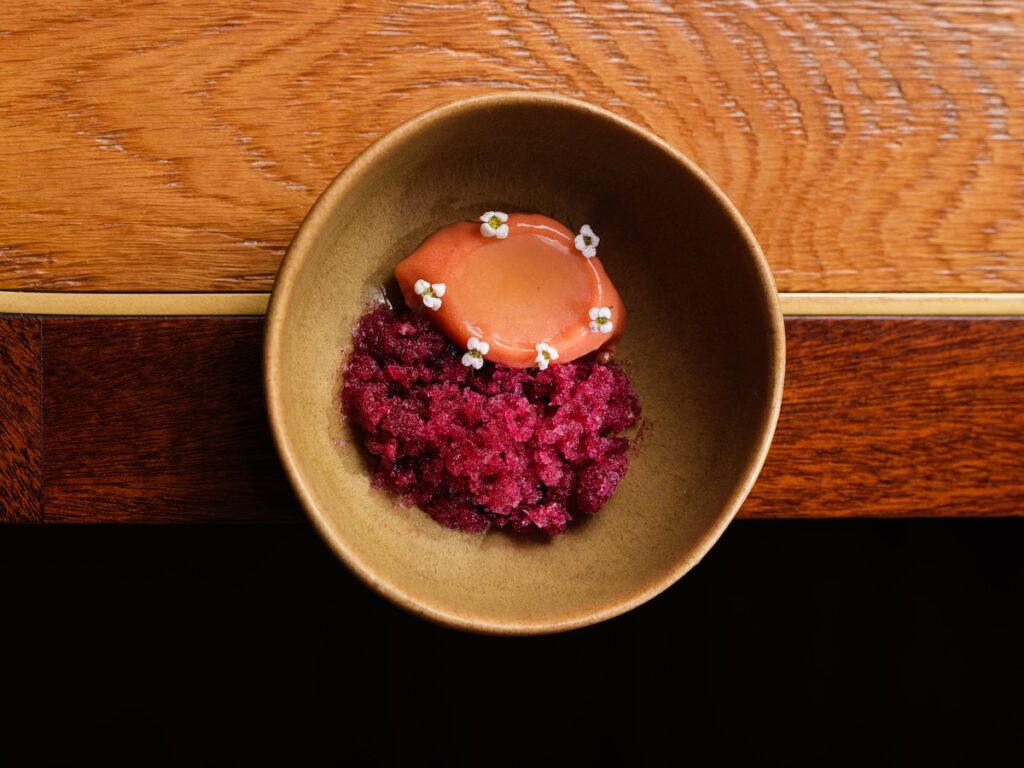 Much has been documented about your higher education in physics. How, if at all, has it influenced your cooking?
Not directly, but it absolutely influenced how I think. Science taught me to value research, precision and process. We apply that same rigour when developing dishes at BiBi – testing, questioning and refining until every element earns its place. Food is ultimately emotional, though. Science gives structure to something driven by memory and feeling.
You were recently named the global culinary director for Gymkhana. How does that feel?
It’s incredibly exciting and a huge privilege. Gymkhana has played an important role in changing the perception of Indian food internationally, so helping shape its next chapter is a big responsibility. What excites me most is working out how we grow it globally while protecting the identity, quality and character that made it special in the first place.
How do you think the perception of Indian food changed over the years, in your opinion?
There’s much more confidence now to move beyond stereotypes and explore Indian food with greater depth and individuality. More chefs are expressing their own memories, regions and experiences rather than trying to represent Indian cuisine as one thing. For me, Indian food isn’t a constraint – it’s the food of more than a billion people so can’t be pigeon-holed. The exciting part is continuing to expand people’s idea of what it can be.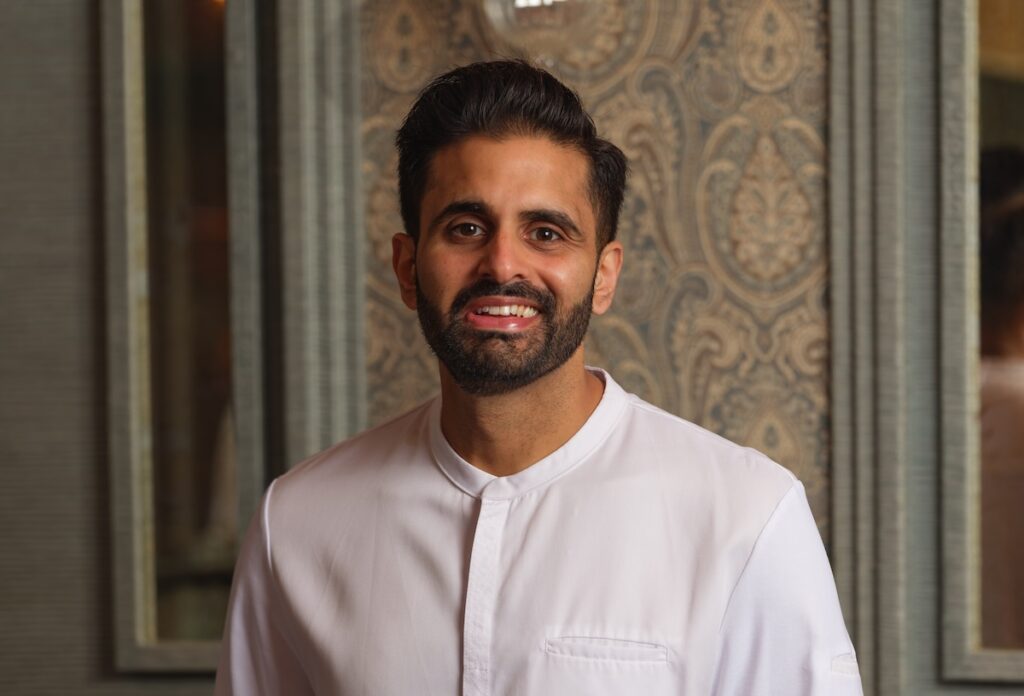 Away from the restaurant, what is your ultimate personal comfort food or favourite dish?
Khichdi, without question. It’s a simple combination of rice or grains and lentils, with endless regional variations. We once did a millet, smoked mushroom and truffle version at BiBi, but the emotional connection was exactly the same.
Why is this a comfort food to you? Do you have any special memories associated with the dish?
It’s the food you’re given when you’re ill, tired or just need looking after. The version I grew up with was whole masoor lentils and Pusa rice, with roasted papad, fresh achar, homemade yoghurt and lots of ghee. It’s simple, nourishing and deeply associated with home.
Who are some of your chef heroes?
Giorgio Locatelli was one of the first chefs to really take me under his wing. Pushpesh Pant has hugely influenced how I think about Indian food and its history, and I’ve always admired Thomas Keller’s elegance and discipline. But ultimately, my grandmothers are the biggest influence. They shaped my understanding of food and hospitality, and BiBi is named in their honour.
To know more about Chef’s Table and chef Chet Sharma, subscribe to our weekly newsletter, the Tempus Edit – and read other interviews in our Chef’s Table series.