Chef’s Table: Chef Sabrina Ghayour talks her comfort foods and making Persian cuisine more accessible
By Shivani Dubey | 8 April 2026 | Food & Drink
Tempus’s Chef’s Table series meets Sabrina Ghayour to chat about her love for Persian cuisine, the Blenheim Palace food festival and her comfort foods
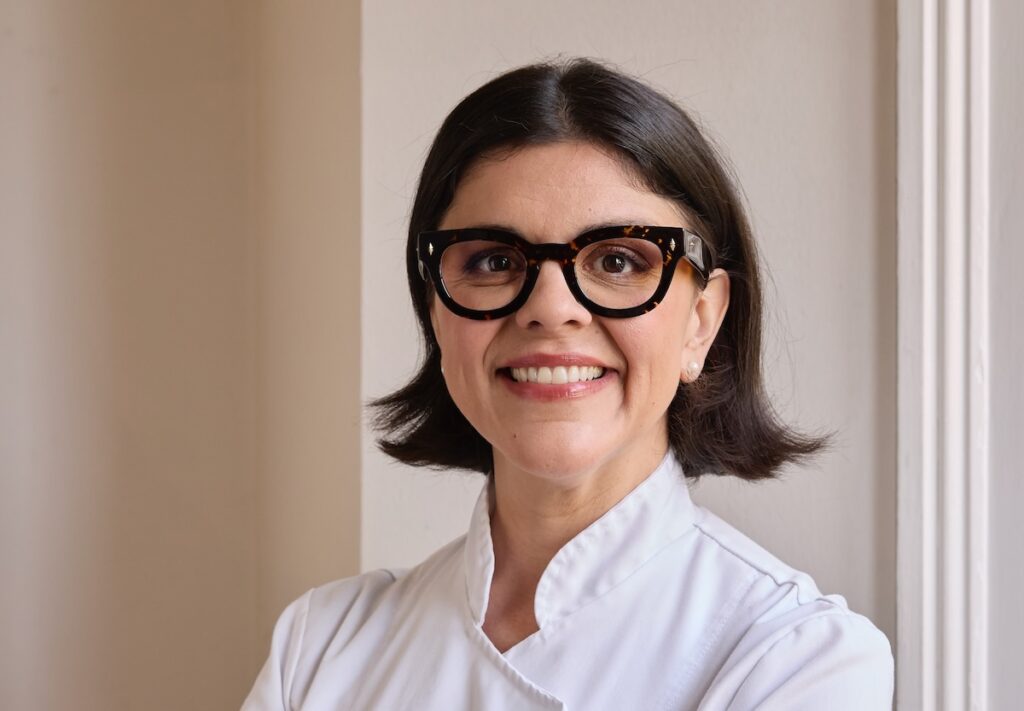 British-Iranian chef Sabrina Ghayour is a woman who wears many hats. She’s a multi-award winning, best selling cookbook author who made her name hosting the popular Sabrina’s Kitchen supper club in London, which specialises in Persian and Middle Eastern flavours. She’s the go-to person for Persian and Middle-Eastern recipes, history and ingredient wisdom, and she is also a regular face on BBC’s Saturday Kitchen and Sunday Brunch.
Now, Sabrina is adding another feather to her cap: headlining the Blenheim Palace Food Festival this summer with Raymond Blanc and Matt Tebbutt. She also recently launched her cookbook Persiana, which aims to make Persian recipes more accessible and easier to make for enthusiasts around the world.
Here, we speak with chef Sabrina Ghayour to dig deep into her passion for making Persian and Middle Eastern cuisine more accessible, headlining the Blenheim Palace Food Festival and her ultimate comfort foods. 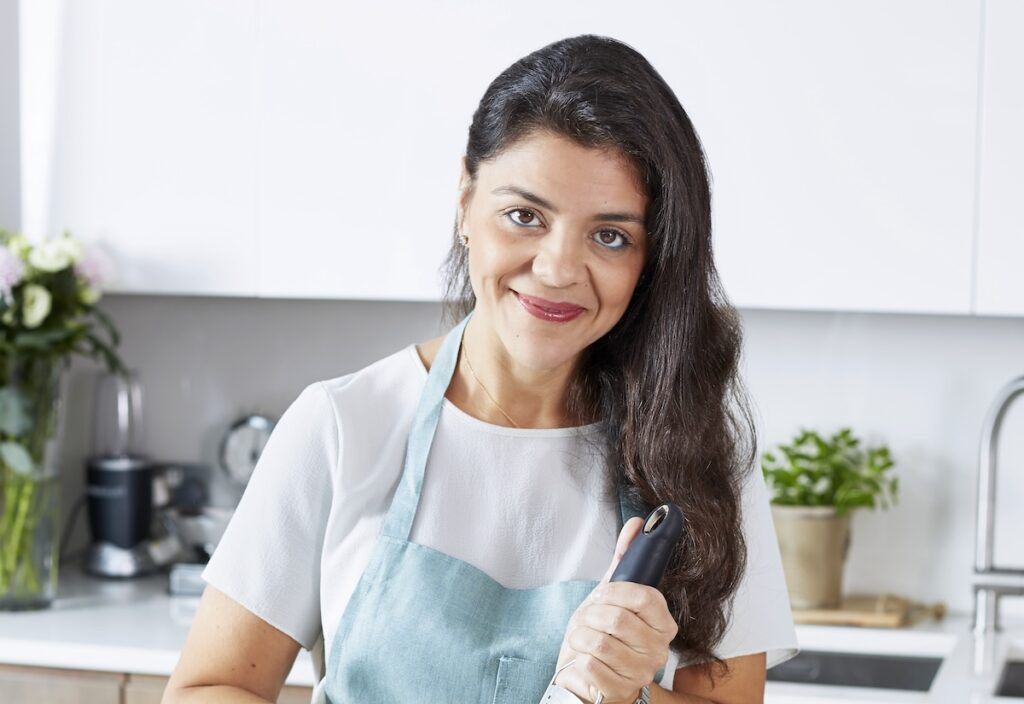 Sabrina’s Kitchen has been a rousing success by all accounts. What sets your menu apart?
I think culture probably has a lot to do with it. From a heritage perspective, we like to eat a lot and we like variety and flavour. That’s the ruling compass that keeps me straight. British me thinks very differently, but the Persian in me makes me think about what would please my diner, because [hosting and hospitality] is a very eastern concept. We think about who we’re feeding, the how, what, how much and what else can we provide. In our cultures, we’re all people pleasers. It’s very much about what you eat and how you build relationships. I don’t want anyone to leave my house hungry or unsatisfied.
How would you describe your style as a chef? What do you want your guests to experience?
I don’t like to lock myself in complication and process – I am always about products and flavour over visuals. But I’m also wearing two hats: the chef me that feels compelled to deliver something that is, to a certain degree, par excellence – whether it is through multiple dishes, or a certain skill or process that is known to me in my heritage or local culture in the Middle East – and the food writer me, who is just trying to make it easier for you to recreate a dish. I feel compelled to not just tell a story, but to get a speedy version of the dish to the reader that they will enjoy and be able to make at home without any thought. So for me, the two go hand in hand.
Where did your passion for cooking come from?
I come from a long line of people who don’t cook (laughs) which is a culturally unusual background, but it’s true. But in the early 80s in London, there were three cooks on television: Madhur Jaffrey, Ken Hom and Delia Smith. And I just fell in love with watching them bring their cultures to life through food – and it just so happened to coincide with a wave of convenience food, ready meals and supermarket food really becoming a thing. So I started playing around [with food] and my mother saw that I loved it and wholeheartedly pushed me to mess around in the kitchen and do whatever I wanted, which made me a very confident cook in the long term. That served her very well (laughs). She’s a silent evil genius because it’s worked out super well for her – she has whatever she wants on tap! You are a multi-award winning, best-selling author who champions Persian and Middle Eastern cuisine. You are also a self-described home cook. What advantages does not working in a restaurant kitchen lend to developing recipes for a cookbook or a supper club?
I did actually work in restaurants for a number of years, just never as a chef, so I’ve always been in and around that environment and made a lot of observations that I keep in my life. But the one thing is that restaurant chefs don’t know how to scale recipes down, because they don’t have to, but I have that trait. They have recipes that serve 40 people, but your average Joe wants a recipe for maybe two to four to six people tops. So that’s really the key benefit. I am also a bit more measured in my cooking and don’t take extravagant swings or use exotic ingredients, which is more beneficial to the end user.
You will be headlining the Blenheim Palace Food Festival this May with some pretty incredible chefs. How does that feel?
I love Blenheim. It is a really historic venue and it’s absolutely stunning. So playing host to such a fun and food filled event is always going to be amazing. And events like these are the only times [chefs] get to see each other, so it’s nice. We’ve all got the same energy because we’re away from work, it is a bit relaxing so it brings the fun and, also, with a lot of restaurant chefs, it gives them the opportunity to not be that for a day and just be themselves, which brings a nice energy.
As a woman in the culinary industry, what are some of the challenges — if any — that you have faced in your career? Do you have any advice for women looking to step into the culinary industry?
I’ve been working since the early 90s, and it was a very different world [back then] where people would pat you on the bum, you know? But the honest truth is we didn’t think we could class a lot of actions back then as inappropriate. So you just got on with it. And I don’t expect people to get on with it now. I would encourage women to be very clear and make sure they are heard when they experience discomfort. Don’t be afraid to call out bad behaviour – doesn’t matter if it’s coming from the top – and if it doesn’t work, don’t feel the need to stay somewhere, because in the end, they need you more than you need them. Our industry is crying out for help, there will always be somewhere better to work if you’re not happy.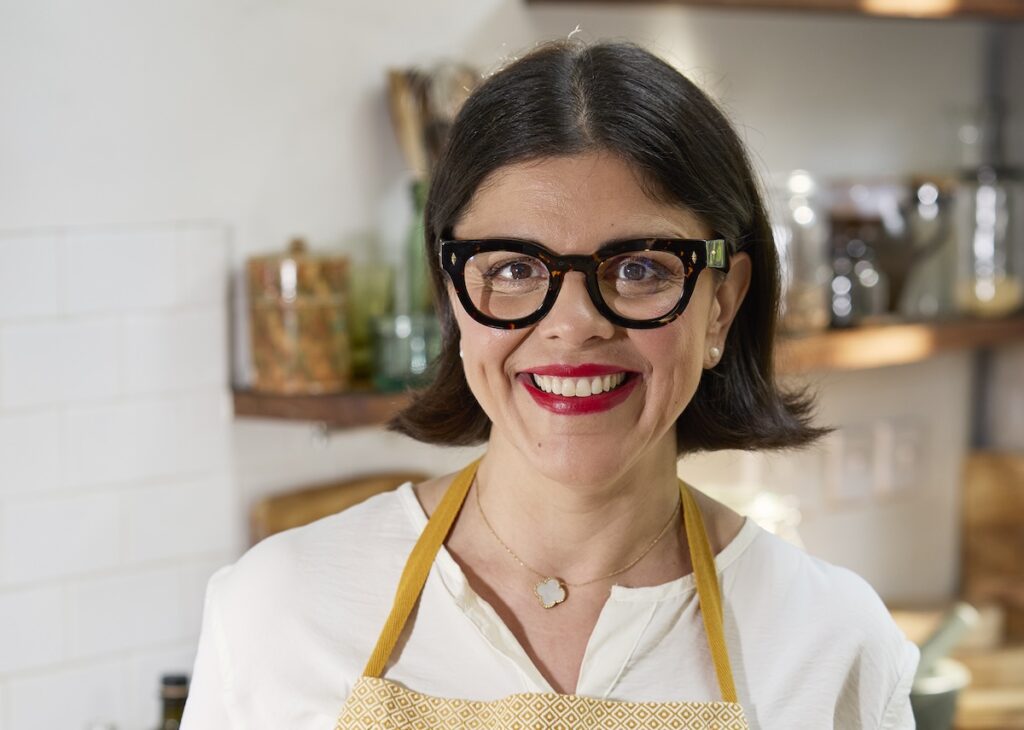 What is your ultimate comfort food? What do you make for yourself at home after a long, gruelling day or week at your restaurant? Or simply on your days off?
Comfort foods to me in the depth of winter could be a crisp green salad. But also in the height of boiling summer it could be a super hot curry, or a big, creamy, heavy dish. I know I sound crazy, but there’s no rhyme or reason to my cravings. But if we’re going for speed, I will never say no to a well baked bread with phenomenally good salty butter. I would say a rice and a stew or curry also does it for me.
Why is this a comfort food to you? Do you have any special memories associated with the dish?
There wasn’t much cooking in the house [growing up], but every now and again, my grandmother would cook a stew on Sunday and then freeze it, ready for defrosting when guests arrive, and she’d do fresh rice. I think that represents family nostalgia and comfort for me. It’s a heritage thing. Also going to people’s houses was always a joy because the idea that I could have some of my favourite Persian stews or South Asian curries and share it with them was amazing.
Who are some of your chef heroes?
I think Ken Hom and Madhur Jaffrey, because they’re the reason I’m cooking today. I also learned a lot from Jamie Oliver, because I didn’t really know what a green curry was before he came into the scene. And Nigella Lawson – I’m grateful for her because she made people want to go into their kitchens and do simple and delicious things at home, and she’s probably the reason people use pomegranates in their cooking.
To know more about Chef’s Table and chef Sabrina Ghayour, subscribe to our weekly newsletter, the Tempus Edit – and read other interviews in our Chef’s Table series.