







This website uses cookies so that we can provide you with the best user experience possible. Cookie information is stored in your browser and performs functions such as recognising you when you return to our website and helping our team to understand which sections of the website you find most interesting and useful.
Olfactory Intelligence: How AI can become the next perfume scent-sation
By Judy Cogan | 27 January 2026 | Style
Could an AI-driven perfume industry be the next beauty scent-sation? Here are the five things you need to know
 Artificial Intelligence (AI) is advancing breakneck speed, driving everything from the way we plan our holidays to how we listen to music and buy clothes. Bot-driven beauty already offers us hyper-personalised tech-focused skincare products. So, what’s next? An AI driven perfume industry could be the next beauty sensation, and the scope for development is huge.
Global revenue for fragrances is expected to increase at a Compound Annual Growth Rate (CAGR) of 3.31% between 2025 and 2030, according to Statista. Brands are embracing Al to stay ahead of the curve.
Olivia Houghton, lead beauty and health analyst at strategic foresight consultancy The Future Laboratory, says: “In 2026 we will see this increase as luxury [perfume] brands speed up their integration of AI into the design process. [This] will provide consumers with new and innovative scent experiences based on emotive prompts and responses. AI is significantly impacting luxury fragrances by enhancing the way scents are developed, tested and created.”
Olivia explains our “always-on lifestyles” will drive new directions in fragrances. Instead of remaining loyal to one fail-safe scent, we will have a “scent wardrobe” consisting of different fragrances to suit different occasions, moods and seasons.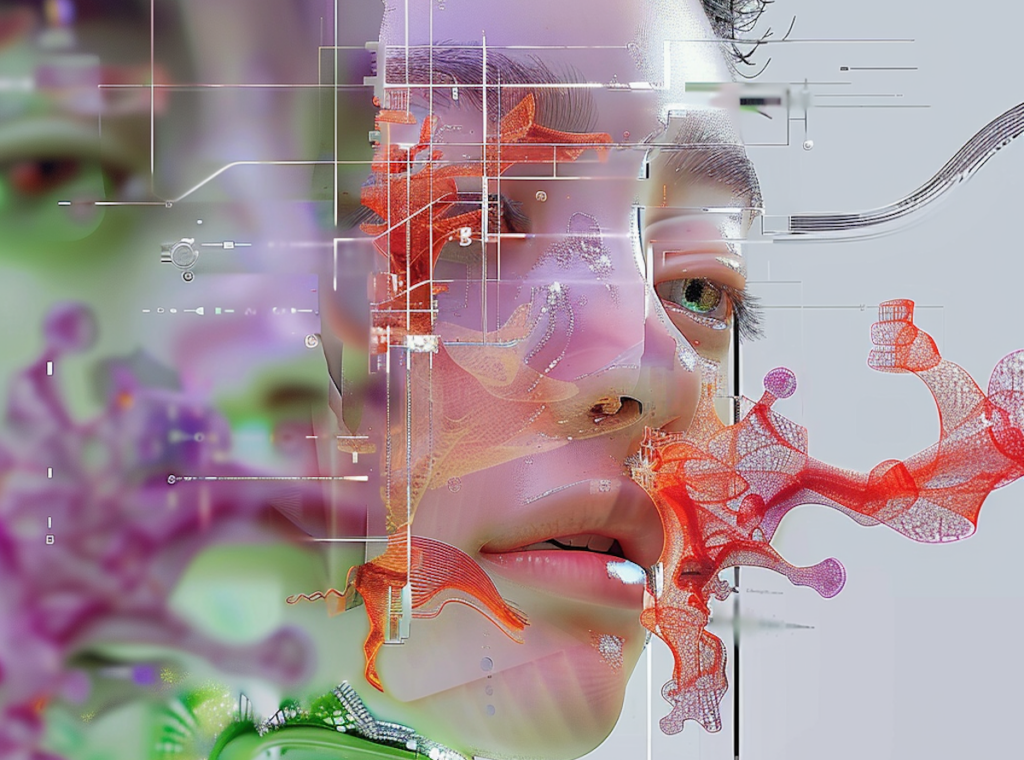 “How we interact with fragrance will continue to change,” she says. “For consumers, AI fragrance offers a luxury option that doesn’t just smell good, it feels personally meaningful. This emotional connection is what sets AI-driven perfumes apart from the static, one-size-fits-all tradition.”
Digital fragrance innovator Osmo, known for “giving computers a sense of smell”, launched Generation, a B2B fragrance house that uses AI to develop perfumes for brands, retailers, and beauty houses. At the heart of this offering is Olfactory Intelligence (OI), an AI tool that analyses ingredients, formulations, and market insights to inform fragrance creation.
“As AI continues to sink into consumers’ lives, they’re looking for creative ways to leverage it,” says Alex Wiltschko, founder & CEO, of Generation by Osmo. “In 2026, consumers will see dramatically more choice and creativity in fragrance from brands they know and new creators they’ve never heard of. OI makes all of this possible.
Adds Olivia: “We will see more AI fragrance experiences in retail – in stores and online. Unlike traditional perfumes, which are created for broad market segments, AI-powered fragrances can be shaped around an individual’s moods, memories and lifestyle. By analysing consumer data, from personal preferences and cultural touchpoints, AI unlocks the possibility of a scent that feels uniquely yours. This goes beyond customisation: it’s about emotional synchronisation, with perfumes that can adapt to different occasions, times of day or even shifts in wellbeing.”
Here, with the help of Olivia and Alex, we share what you need to know about the future of scents.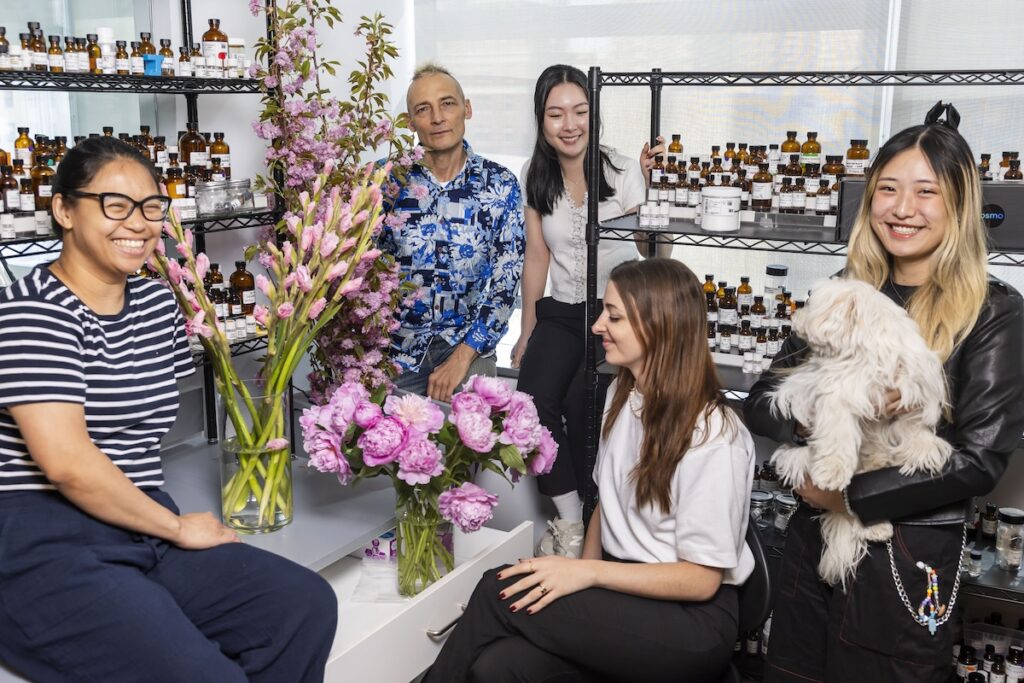 THEY OFFER SAFER SCENTS
European Union cosmetic manufacturers are required to disclose 82 specific fragrance allergens on product labels, including 28 natural extracts and 54 individual chemicals. “Amid growing awareness of ‘forever chemicals’ – ingredients that can negatively affect [your] health – fragrance-makers are turning to AI to ensure their scents align with evolving ingredient and chemical regulations,” says Olivia, adding that AI fragrances also promise “relevance without compromise” by factoring in sustainability preferences, health considerations and even ingredient availability.
“AI ensures consumers receive scents that align with their values as much as their senses,” she says. “This creates a new kind of trust, where safety, ethics and individuality are seamlessly interwoven.” But when a key ingredient in a fragrance is “lost” due to regulations, tariffs or other supply chain concerns Osmo’s Generation OI can pinpoint an alternative ingredient that produces the same result within minutes.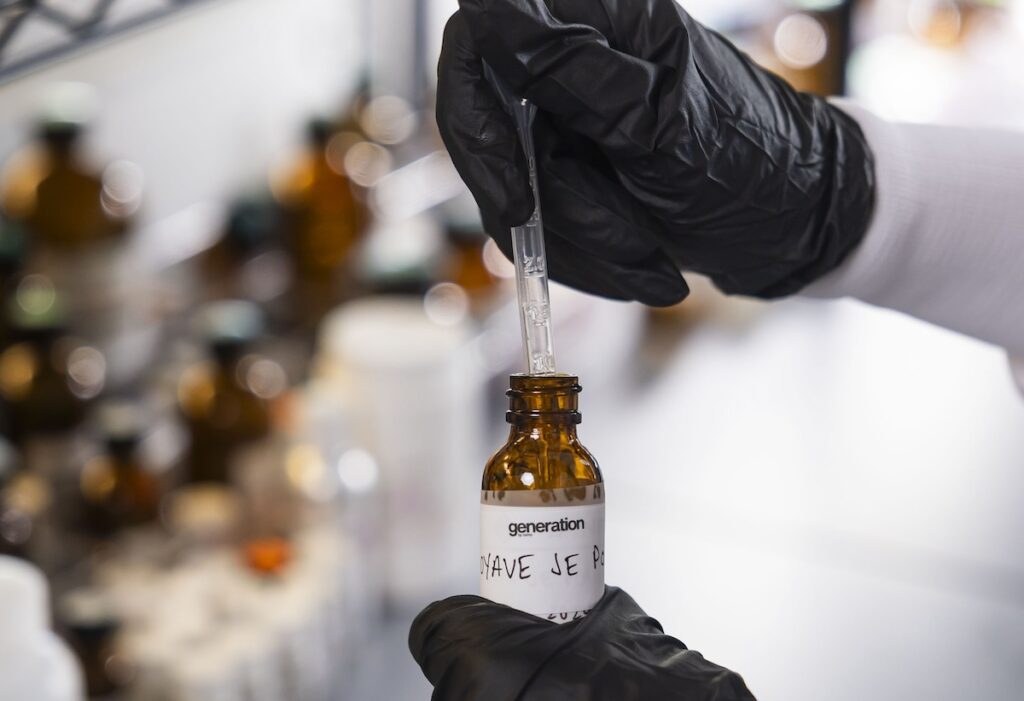 THEY WON’T REPLACE TRADITIONAL PERFUMES
For the scent-obsessed, perfume is an art form with the master perfumer’s personal touch a vital part of a delicate process. Experts say AI-perfumes will not interfere with the notes, the influences and the stories of your favourite perfume house.
“What OI does for creators is enhance, accelerate and refine,” says Alex. “It doesn’t replace intuition, artistry, or the ability to create something deeply human. Instead, it removes blind spots and optimises formulas.” And this is where the magic happens – how about scents that develop during the day from light and citrusy in the morning to decadently woody by evening, or a fragrance that bottles your grandmother’s discontinued classic, reclaimed for a new generation? It means more choice and endless possibilities. “There have only been 100,000 fragrances ever created, but I want that number to be in the millions,” says Alex.
Olivia says AI is an emerging “co-pilot for the fragrance industry” and is set to streamline everything. “AI’s role is not about replacing the craftsmanship and artistry of traditional perfumery but enhancing the personalisation of luxury scents. This aligns with the notion that luxury brands are embracing advancements in technology to cater to their discerning consumers.” BECOME A FRAGRANCE CO-CREATOR
Moving further away from one-size-fits-all perfumes, the consumer will have much more power in the design process. Earlier this year, International Flavors and Fragrances (IFF), launched ScentChat™, an AI-powered tool developed to enable real-time communication between consumers and fragrance creators via platforms such as WhatsApp.
Says Olivia: “Tools such as ScentChat™ hint at a future where consumers will co-design personalised perfumes tailored to their mood, occasion or sustainability priorities. For brands, this blurs the line between producer and consumer, delivering richer insights into real-time preferences while positioning them as pioneers of participatory beauty.”
The technology not only refines the development process but also opens avenues for potential direct co-creation with consumers, reflecting their preferences. “For consumers, this delivers a sense of agency and intimacy rarely experienced in the fragrance world,” she adds.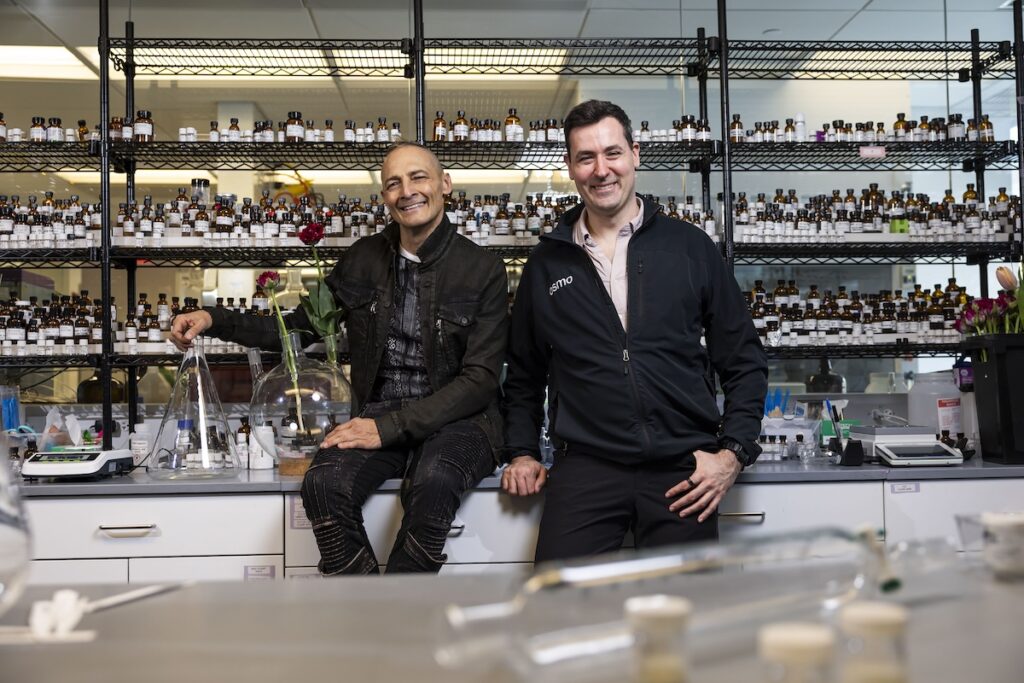 CULTURE WILL BECOME A FRAGRANCE
Alex predicts the fragrance market is on the brink of expanding exponentially. “This is just the beginning for OI-designed perfumery,” he says. “Scent will become part of a brand’s DNA, going beyond consumer products to be part of art, experiences and culture.”
Osmo has worked with brands and creators who offer fragrances that consumers can purchase now, including The Museum of Pop Culture, The Tilted Chair and Kindred by Alice Panikian.
“We’re excited about another consumer project: Scent the Internet,’ Alex adds. “We’re tapping into culture and turning it into fragrance, starting with the fisherman aesthetic that took over the internet this summer. We’ve launched a limited-edition scent called Where Water Ends, featuring notes of driftwood, musk, berries, marine, and lavender.”  YOU CAN ALREADY BUY AI-SCENTS
Far from being a distant fantasy, AI-driven perfumes are already hitting shelves and it’s likely your favourite luxury brands are on board. In her Vogue article: ‘Now the algorithm is coming for fragrance,’ Nateisha Scott gives some examples: “Tom Ford Bois Pacifique was shaped using Givaudan’s tools to evoke notes of California’s Big Sur, while the Paco Rabanne eau de toilette Phantom utilised EEG data measuring millennials’ electrical brain activity to identify the ingredient combinations that enticed them the most. Prada has used an AI-enhanced jasmine accord in its smash-hit Paradoxe, while YSL Beauty has employed AI to conduct blind testing of customers at its counter with three YSL fragrances tailored to their preferences in 20 minutes.”
Charlotte Tilbury has launched a debut fragrance range enhanced by AI. It consists of six scents including Love Frequency, Calm Bliss and Cosmic Power, created in collaboration with perfumers and neuroscience experts to rouse specific emotions in its wearers. Tilbury drew on data from Scentcube, IFF’s patented AI tool that identifies fragrance ingredients that “stimulate facets of different emotions”. They come in 18th century-style potion bottles.