Driving History: Inside the Grand Prix de Monaco Historique
By Rory FH Smith | 10 September 2026 | Motoring, Sport, Travel
Tempus heads to Monte-Carlo for the world’s most beautiful classic car street race – the Grand Prix de Monaco Historique
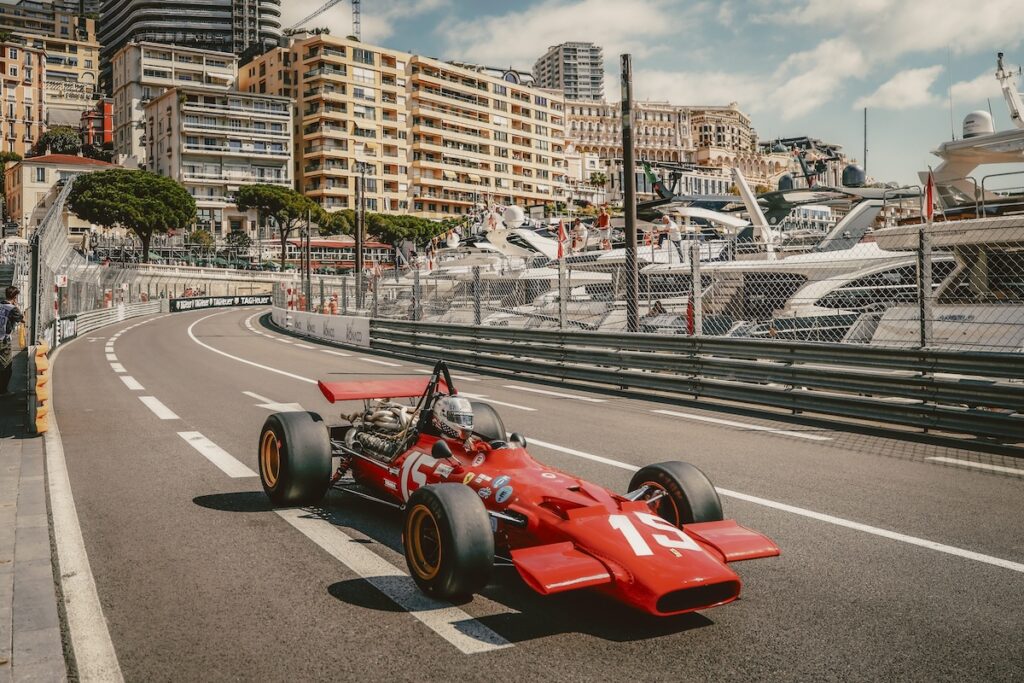 On the whole, I disagree with people who yearn for the good old days; I prefer progress, change and technical innovation. But, after a weekend watching some of history’s most iconic racing cars take on the Fairmont Hairpin at the Grand Prix de Monaco Historique, I’ll happily reconsider.
For those fortunate enough to witness the ear-splitting sound and thunderous flash of red left by Michael Schumacher’s 1999 championship-winning V10-powered Ferrari blasting out of Monaco’s infamous hairpin and into the Larvotto tunnel, you’ll know what I mean. Watching it from the rooftop of the Fairmont hotel, glass of champagne in hand, there are few greater moments for any motorsport fan.
“I’m excited but apprehensive at the same time,” said its driver, London-based classic car expert and racing driver Joe Macari, moments before climbing into the scarlet Ferrari for a parade lap around the Principality.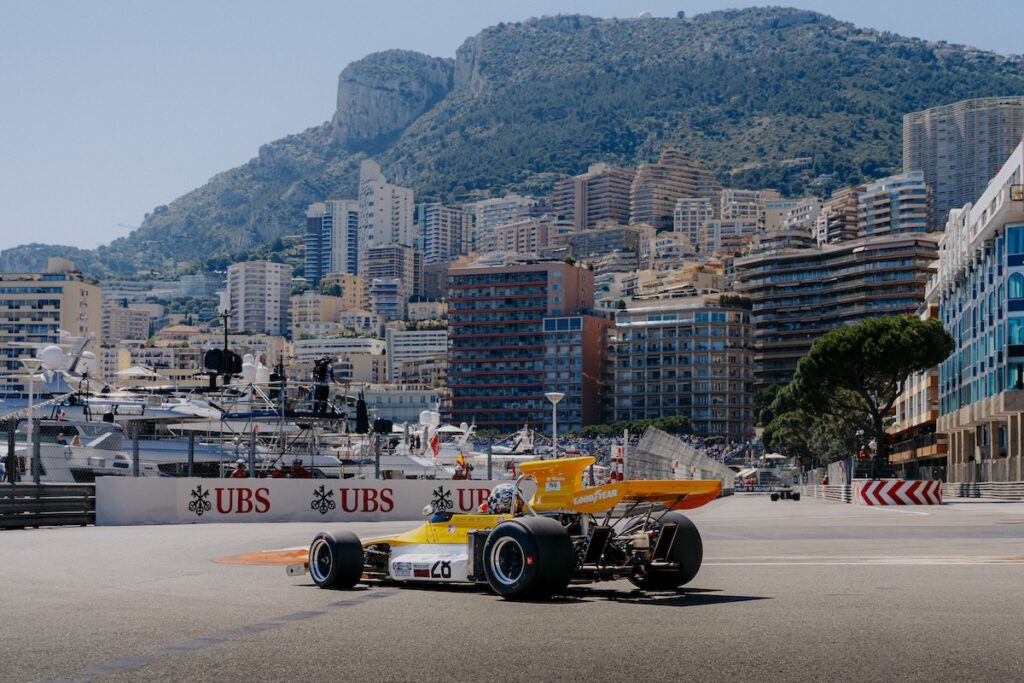 Its arrival was alarming. A demon; high-pitched shriek that split the air as it came down from Casino Square, as a blur of red, black and overwhelming noise darting into the gentle curves before downshifting with mighty force into the tight hairpin. It was both brutal and physical; more animal than machine.
“Even down the straight in third gear, you’re getting wheelspin. You had to get used to that but once you did, my God, what a reward,” said Joe, recovering from his lap behind the wheel.
Monaco has been a mecca for motorsport since 1929 when Antony Noghes, a local cigarette manufacturer with connections at the Automobile Club de Monaco, had a hunch that the Principality would be well-suited to a street race. He was right. The Monaco Grand Prix joined the Formula 1 World Championship in its very first season in 1950 and, save for a solitary absence in 1955, has been there ever since.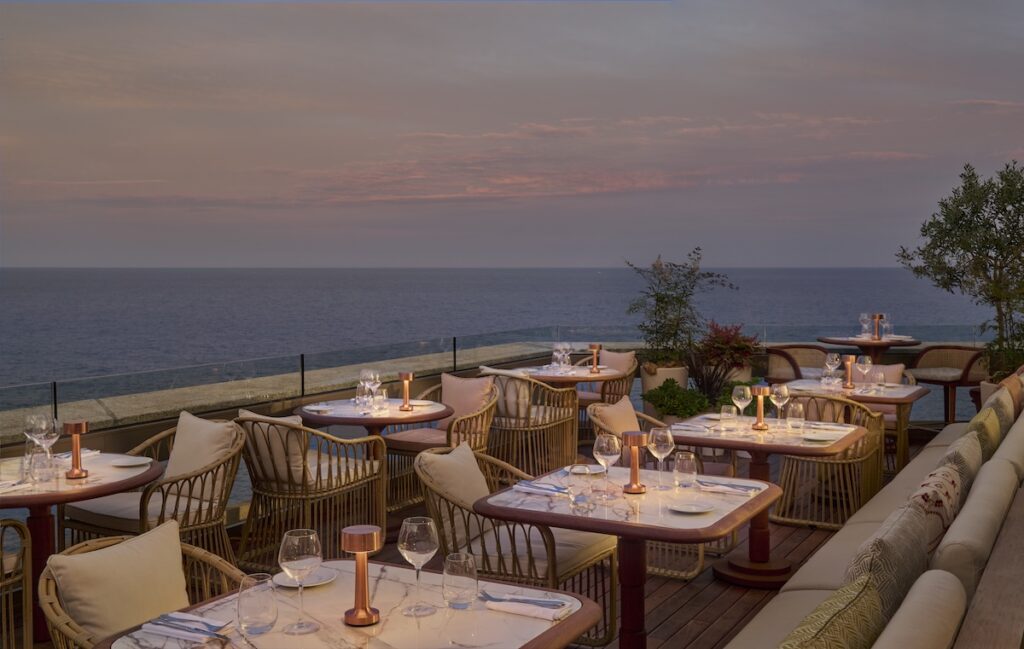 The Monaco Historique Grand Prix was originally conceived as a one-off celebration of the city-state’s ruling Grimaldi dynasty’s 700th anniversary and proved so popular that it became a permanent biennial fixture, celebrating Monaco’s enduring penchant for motorsport.
This year’s event saw everything from prewar Grand Prix cars, such as Bugattis and Alfa Romeos, to 1950s Maseratis and Ferraris, alongside, for the first time, F1’s turbo-era cars.
The din from these screaming, wastegate-slamming machines from the early 1980s could be heard from the other side of the harbour, complete with their unapologetic cigarettes and sex’ liveries. Well, this was the era of cads like Ayrton Senna, Alain Prost and Nelson Piquet. Woven around the turbo cars was a rich tapestry of anniversaries, such as Maserati’s centenary in motorsport and 60 years of the three-litre regulations that defined Grand Prix racing’s golden age.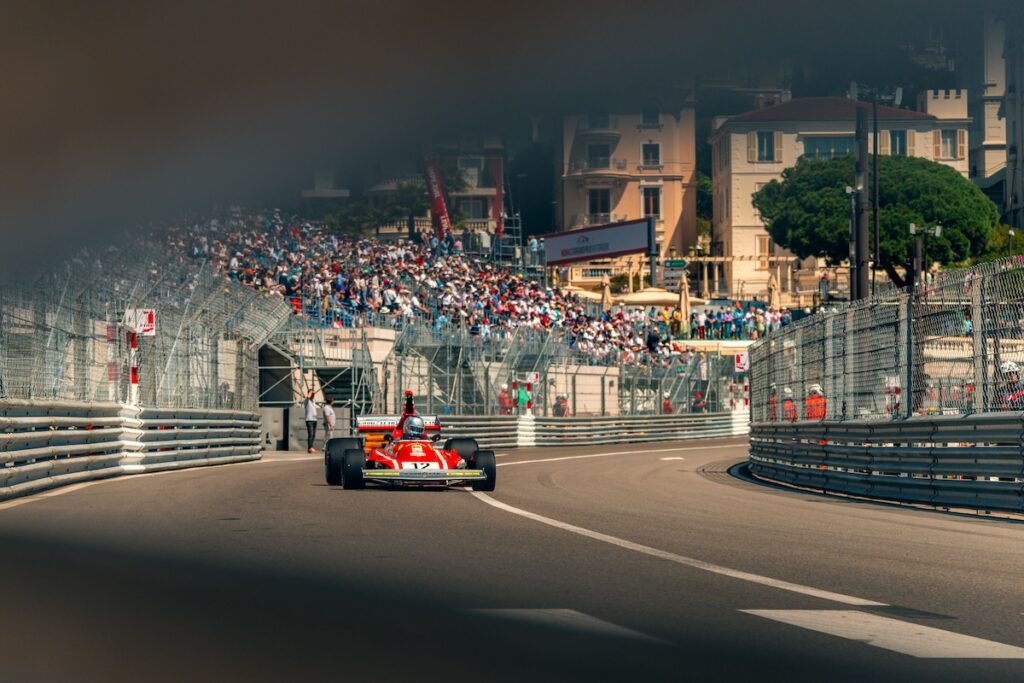 BEST VIEW IN THE HOUSE
To experience all of this, there is only one place to stay. The Fairmont Monte Carlo has been the backdrop to some of Formula I’s greatest moments for more than 50 years; the sprawling, 596-room institution that is as much a part of the story as any car in the paddock. Built on the site of Monaco’s old railway station, the hotel has commanded its position above the Mediterranean since the 1970s. Spread across seven floors and 60,000sqm, it’s the only hotel that offers rooms with a view of the race that no grandstand ticket can replicate, each with a private balcony.
It’s the hotel’s four Grand Prix Suites that are the ultimate ticket. Measuring 85sqm, each has three balconies looking out simultaneously over the track and the sea. On a Historique race weekend, with the sun bouncing off the Mediterranean and a Ford Cosworth DFV howling through the hairpin nine floors below, it is F1 fan nirvana.
The Fairmont’s spread of restaurants is equally appealing. Nobu, the world-renowned Japanese-Peruvian restaurant, occupies the ground floor. I’d recommend handing the menu over to the immensely knowledgeable staff to advise on the best selection from the kitchen. Up on the roof, Amu, meaning ‘love’ in Monegasque, is a “celebration of the love for Riviera” – expect the finest fresh fish and seafood, served on a terrace with uninterrupted views out to sea. It’s a great place for yacht spotting, if you fancy a break from the racing.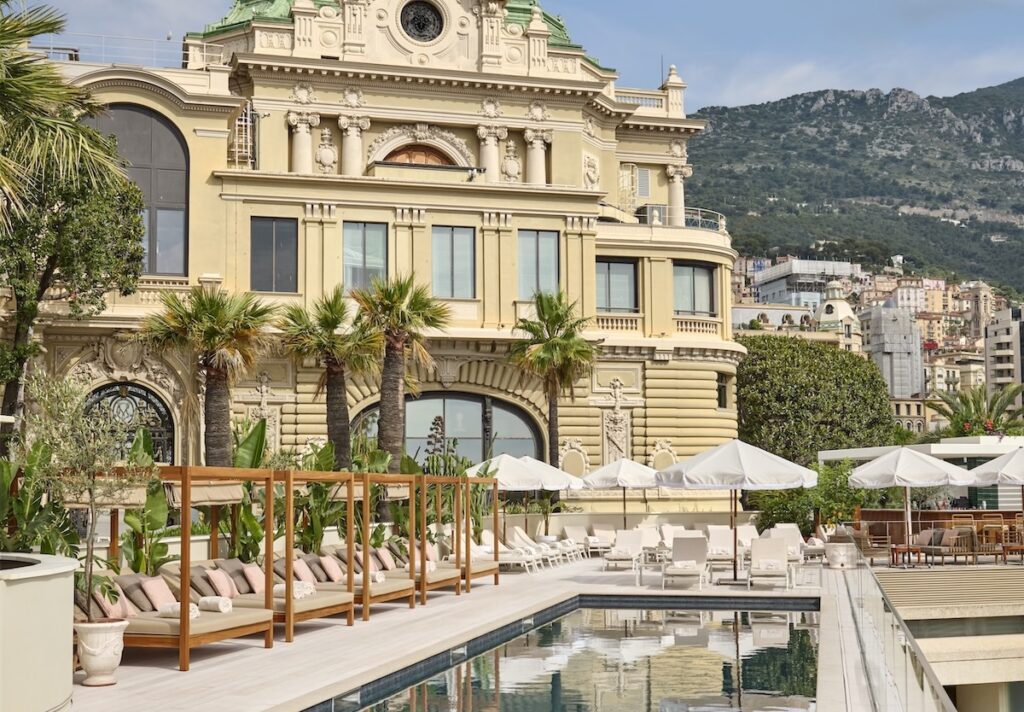 Next to the Fairmont’s rooftop balcony overlooking the hairpin is Nikki Beach, which brings race-day energy and louche, rosé-fuelled poolside dining. For the morning after, the hotel’s gym looks directly down onto the hairpin, making it the only fitness facility in the world where you can work out while watching a 1970s Formula 1 car negotiate a corner beneath you.
The Monaco Historique Grand Prix is unique in the motorsport calendar. Sure, it’s slower than the modern Formula 1 race that follows it a few weeks later, and quieter when it comes to crowds, but it’s much more intoxicating.
Perhaps it’s the potent smell of the unburnt fuel mixed with Monaco’s zesty spring breeze. Or maybe it’s that the Monaco Historique is peak, unapologetic F1. A reminder of a time when the cars were as eccentric as they were experimental, drivers were rockstars and races felt recklessly alive. Through it all, the Fairmont Monte Carlo has been at the epicentre, providing the best seats in the house for more than half a century.
So yes, perhaps the good old days really were better. At least when viewed from a rooftop bar, champagne in hand, with a screaming Ferrari beneath you.